Find the best place to be
The Eye Rwanda – No.1 Travel and Business Guide
The Eye Rwanda – Complete Guide to Rwanda
The Eye Rwanda is a one-stop guide with all the information you need to know about Rwanda. Find all the information you need to know about Rwanda including the best places to visit, things to do, things to see, where to eat as well as latest news and updates.
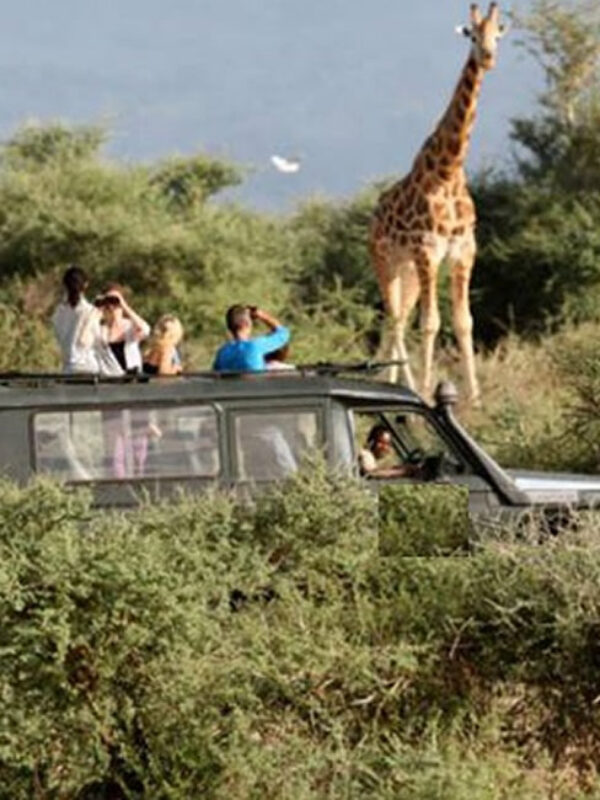
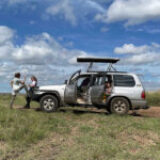
Whether you are visiting Rwanda for the first time, this guide will help you plan and book a perfect safari in Rwanda. There are several deals on tours, hotels, car hire, flights and more. Find up to date travel tips, destination information and inspirational ideas about travel in Rwanda.
Discover Rwanda’s best things to do, restaurants, theatre, nightlife and more

Popular listings
Explore the best places around the country. You won’t be disappointed.
Why Visit Rwanda
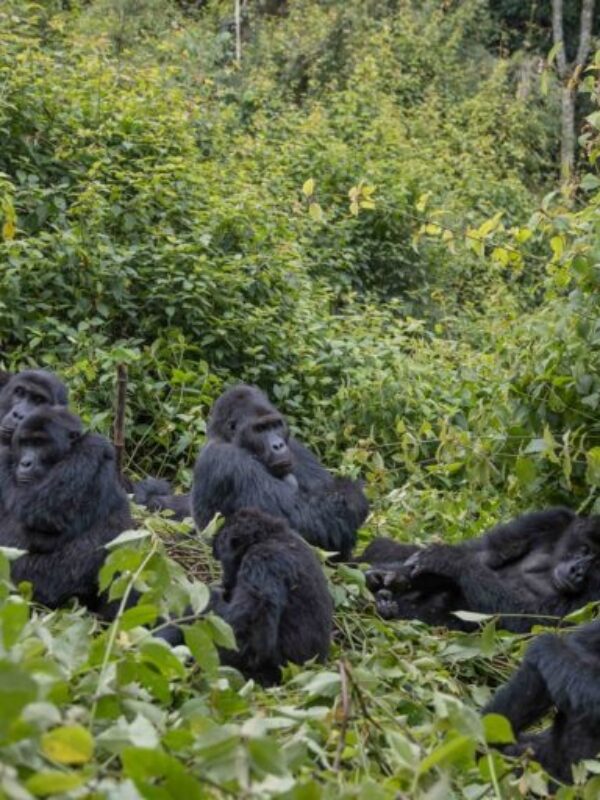
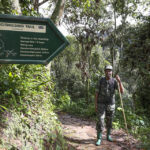
Rwanda is a very beautiful country with unique natural assets including the Volcanoes National Park, the best place to see the endangered mountain gorillas. Explore the rain forests of Nyungwe National Park: home to rare chimpanzees, birds and a great flora.
Rwanda’s landscapes in this ever green country
Rwanda’s landscapes in this ever green country are truly incredible. When you visit Rwanda you will realize that the physical beauty of the country is unique on the African continent
National Parks in Rwanda
Rwanda today has three main conservation areas: the Volcanoes National Park, Akagera National Park and Nyungwe forest national park. Each of these protects a very different ecosystem and combination of large mammals.
Volcanoes National Park
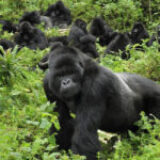
This 160km² national park protects the Rwandan sector of the Virunga Mountains, range of six extinct and three active volcanoes which straddles the borders with Uganda and the DRC. The Volcanoes National Park (PNV) is a natural habitat to about 300 rare mountain gorillas that was made famous in the 1980s by the work of Diane Fossey. This gorilla park includes a mountain lodge in the ‘Condé Nast Hot List’.
Itinerary Planning
Gather information and get your gorilla-viewing permits from the ORTPN. It is sensible not to rush off to the gorillas immediately; take a few days to get the feel of the country and to acclimatize.
Discover in Rwanda and What to Do in Rwanda, Africa?
Rwanda, the land of one thousand hills and hundreds attractions is an extraordinary place where serene scenery and placid people greet you at every juncture.

About Rwanda
“The land of a Thousand Hills”, Rwanda is a green undulating landscape of hills, gardens and tea plantations. It offers tourists a one of a kind journey – home to one third of the world remaining Mountain Gorillas that are well protected in the Volcanoes National Park Rwanda. The country’s attractions include unique birds species, several species of primates, five of the eight Virunga volcanoes, four national parks, islands on the expansive lake Kivu, graceful dancers, artistic crafts and friendly people.
Rwanda is a thriving, safe country with one of the lowest crime rates in Africa. All major attractions are located within 1-5 hour drive from the capital, Kigali.
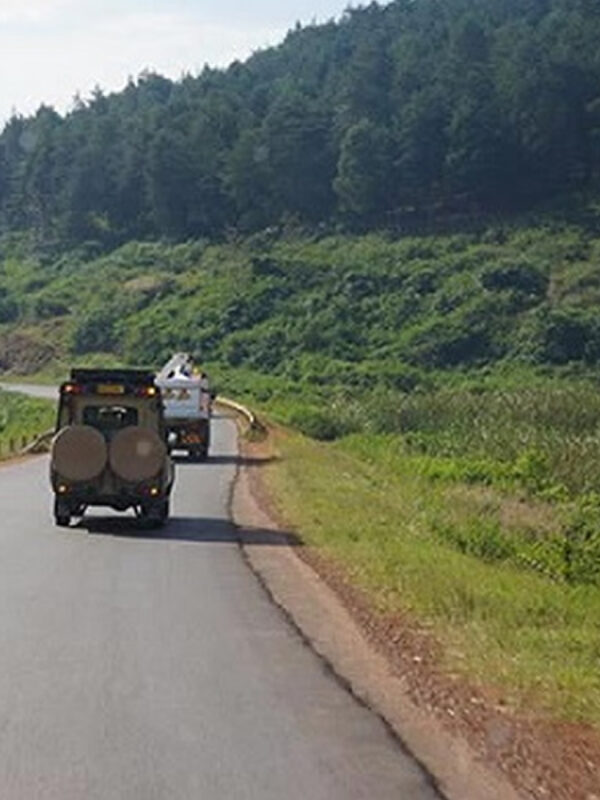
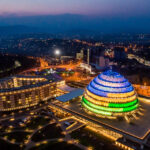
On a short safari through Rwanda, a tourist can reach volcanoes, rainforests, savannah, lakes and the beautiful city of Kigali.
Located in the heart of Central and East Africa with easy access to bordering countries of Uganda, Tanzania, Burundi and Democratic Republic of Congo as well as to Kenya, Rwanda is an ideal location for travel within the region for conference tourism. A visit here can easily expand to include many of the great African destinations.
Tips & Articles
Browse the latest articles and tips from our blog