Border Crossing on Self-drive Safari in East Africa
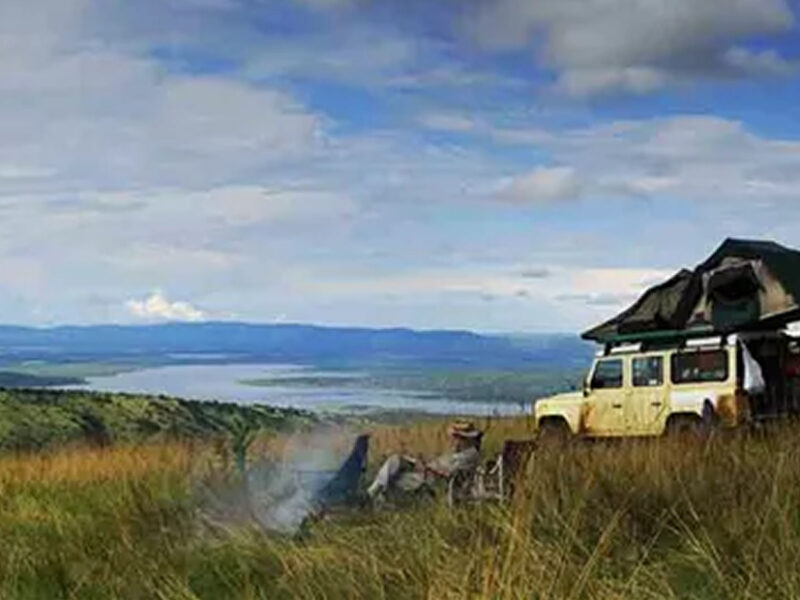
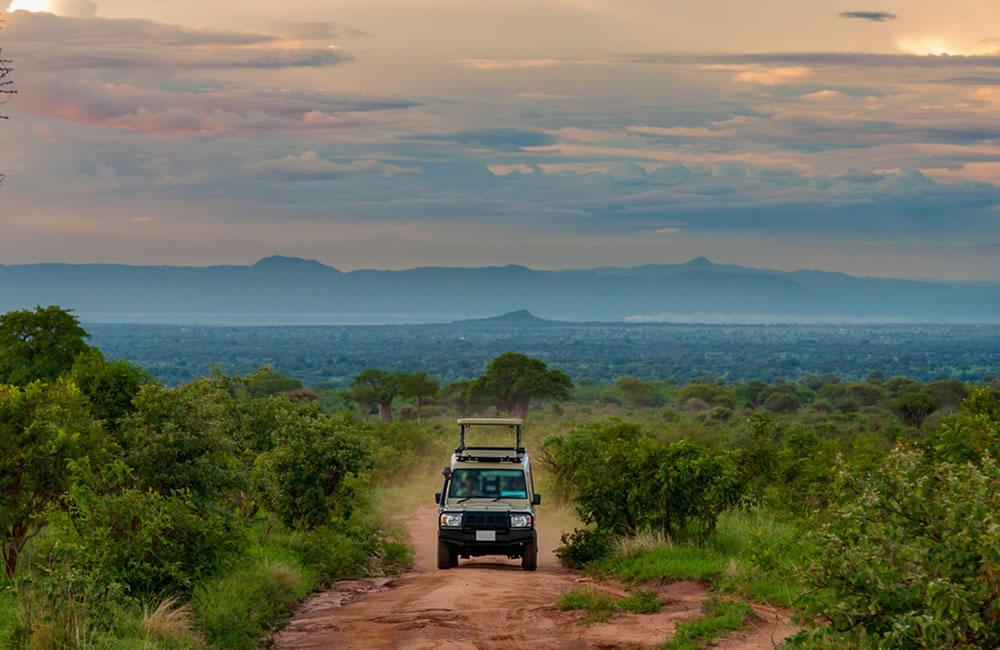
A self-drive safari in East Africa is one of the most exciting ways to explore the region’s beautiful landscapes, wildlife, and cultures. Many travellers choose to drive through countries like Uganda, Kenya, Tanzania, and Rwanda because it gives them freedom and flexibility during their adventure. Travelers can move at their own pace, stop at interesting places, and experience nature closely without depending on fixed tour schedules.
Many safari routes in East Africa involve crossing borders from one country to another. For example, tourists may start a safari in Kenya and continue to Tanzania, or combine Uganda and Rwanda for gorilla trekking. Although border crossing may seem difficult for first-time travelers, the process is usually simple when all the required documents are prepared in advance.
Border officials mainly check passports, visas, vehicle registration papers, insurance, and travel permits before allowing entry into another country. Car rental companies also help travelers by preparing the necessary vehicle documents for cross-border travel. Understanding how border crossings work helps travelers avoid delays, confusion, and unnecessary stress. With proper planning and organization, crossing borders during a self-drive safari in East Africa becomes a smooth and manageable experience.
Understanding Border Crossing in East Africa
East Africa is a popular safari region because many countries are connected by road. Travelers can start in one country and continue their journey into another without flying. For example:
- You can start a safari in Kenya and drive into Tanzania for the Serengeti.
- You can visit gorillas in Rwanda and continue into Uganda’s national parks.
- You can explore wildlife in Uganda and continue into Kenya for more safari experiences.
Although travel is possible between these countries, each border has immigration and customs checkpoints. These checkpoints are important because they control who enters and leaves the country, and they check vehicles for safety and legal reasons. Border crossing is not difficult, but it requires patience, proper planning, and correct documents.
Important Documents You Need
Before reaching the border, you must prepare all your documents. Missing even one document can delay your journey.
- a) Passport: Your passport is the most important document. It must be valid for at least six months. Border officers will stamp your passport when you exit and enter each country.
- b) Visa: Depending on your nationality, you may need visas for East African countries. Some travelers use the East Africa Tourist Visa, which allows travel between Uganda, Kenya, and Rwanda using one visa. However, Tanzania is usually not included in this visa system, so you may need a separate visa when entering Tanzania.
- c) Driving License: You must carry your original driving license. Many countries in East Africa accept foreign licenses written in English. An International Driving Permit is also recommended for extra safety.
- d) Vehicle Documents: Since you are using a rental car, you must have:
- Vehicle registration papers
- Authorization letter from the rental company
- Insurance documents
These prove that you are allowed to drive the vehicle across borders.
- e) COMESA Insurance: COMESA insurance is very important. It is a regional insurance that covers your car in different East African countries. Without it, you may not be allowed to cross the border with your vehicle.
Common Border Crossings in East Africa
Here are some popular border points used by safari travellers:
- Kenya–Tanzania Border (Namanga &Isebania)
These are the busiest borders. Many tourists travel between Nairobi and Arusha through this crossing.
- Uganda–Kenya Border (Malaba or Busia)
These are major trade and tourism routes connecting the two countries.
- Uganda–Rwanda Border (Katuna or Cyanika)
These borders are often used by travellers going for gorilla trekking in both countries.
- Tanzania–Rwanda Border (Rusumo)
This connects western Tanzania with Rwanda. Each border has immigration, customs, and police checks.
- Uganda – Tanzania Border (Mutukula)
This is one of the busiest borders between Uganda and Tanzania
Step-by-Step Border Crossing Process
When you reach a border, the process usually follows a clear order.
Step 1: Arrive and park at the border
When you reach the border post, the first thing you do is park your vehicle in the designated parking area. Borders are usually busy with trucks, buses, and cars, so it is important to follow signs and park properly. After parking, you take your travel documents and walk to the immigration office.
Step 2: Exit immigration of the country you are leaving
The first official step is to clear immigration from the country you are leaving. For example, if you are leaving Uganda, you go to Ugandan immigration. The officer will check your passport, confirm your travel details, and stamp your passport to show that you have exited the country. This step officially ends your stay in that country.
Step 3: Customs clearance for the vehicle
After exit immigration, you go to the customs office. Here, officials check your vehicle documents. You may be asked for your car registration papers, insurance (such as COMESA insurance), and authorization letter from the rental company. The officers may also inspect the car and record its details before allowing it to proceed.
Step 4: Entry immigration into the new country
Next, you go to the immigration office of the country you are entering. For example, entering Kenya or Rwanda. The officer checks your passport, visa, and sometimes asks simple questions like where you are going and how long you will stay. Once approved, they stamp your passport for entry.
Step 5: Payment of Fees (If Any)
At some East African borders, travellers pay small fees for road use or vehicle entry. Payments are usually made in cash with receipts given. In Tanzania, travellers may pay a road use fee (often called a “fibre” or road service fee) before continuing their journey.
Step 6: Final checks and continue your journey
After immigration and customs are completed, you may pass a final checkpoint where officers confirm your documents. Once everything is in order, you are allowed to continue your self-drive safari into the new country.
Challenges Travelers May Face During Border Crossing in East Africa
- Long waiting times
One of the most common challenges travellers face at borders in East Africa is long waiting times. Some borders, especially busy ones between Kenya and Uganda or between Kenya and Tanzania, can have many trucks, buses, and private vehicles. This creates long queues at immigration and customs offices. Sometimes travellers may wait for several hours before completing all procedures. This can be tiring, especially after a long drive.
- Missing or incorrect documents
Another big challenge is missing or incorrect documents. Border officials require passports, visas, driving licenses, vehicle registration papers, insurance, and authorization letters. If even one document is missing or not valid, travellers may be delayed or refused entry. For self-drive safaris, this is a serious issue because the car itself must also be approved to cross the border. Proper preparation before the trip is very important.
- Language and communication problems
In some border areas, communication can be difficult because officers may speak different local languages such as Swahili, French, or local dialects. Although many officials understand English, misunderstandings can still happen. This may slow down the process or cause confusion about instructions. Travelers should speak clearly, remain polite, and ask for help when needed.
- Unofficial requests or corruption
In rare cases, travellers may encounter people asking for unofficial payments. This can happen in busy or poorly controlled border areas. Such situations can be confusing for first-time visitors. The best approach is to remain calm, refuse politely, and only pay at official offices where receipts are given. Knowing the correct process helps avoid this problem.
- Slow systems and technical delays
Sometimes border systems such as computer networks or printing machines may be slow or not working. This can delay passport stamping or document verification. These technical problems are common in remote areas and can increase waiting time. Travelers need patience because these delays are beyond their control.
- Road and traffic challenges near borders
Roads leading to borders can sometimes be crowded, rough, or poorly organized. Heavy trucks often dominate these routes, especially in trade corridors. This can make driving slow and stressful before even reaching immigration. Careful driving and early travel planning help reduce this problem.
Tips for Easy Border Crossing in East Africa
- Prepare all documents in advance
Before reaching the border, make sure you have all important documents ready. These include your passport, visa, driving license, vehicle registration papers, insurance documents, and rental authorization letter. Keeping them in one folder makes the process faster and avoids confusion when officers ask for them.
- Start your journey early
It is always better to reach the border early in the morning. Borders are usually less busy at this time, and you can avoid long queues of trucks and buses. Early travel also gives you enough daylight to complete the process safely and continue your journey without rushing.
- Carry enough cash
Some border fees, insurance checks, or small charges must be paid in cash. Card payments are not always available, especially in remote areas. Carrying US dollars and local currency in small notes makes payments easier and faster. Always keep receipts after payment.
- Be patient and polite
Border crossing can sometimes take time due to queues or document checks. Staying calm and polite helps you get better assistance from officers. Avoid arguing or rushing officials, as this can slow down the process even more.
- Follow instructions carefully
Always listen to border officers and follow instructions step by step. Each border may have slightly different procedures, so do not assume everything is the same. If you are unsure, politely ask for guidance.
- Work with your car rental company
Before your trip, ask your rental company to explain all cross-border rules. They often prepare important documents like COMESA insurance and authorization letters, which make crossing much easier.
Vehicle Rules in Different Countries in East Africa
- Driving side of the road
In all these East African countries, vehicles drive on the left side of the road. This is very helpful for travellers because the rule remains the same across borders. However, drivers should still be careful when adjusting to different traffic conditions, especially in busy towns and cities.
- Speed limits
Speed limits are strictly enforced, especially in Rwanda and Kenya. In towns, the speed limit is usually around 50 km/h, while on highways it can be between 80 km/h and 100 km/h depending on the country. Inside national parks, speed limits are much lower to protect wildlife and ensure safety. Speed cameras and police checkpoints are common, so drivers must always follow road signs.
- Police checkpoints
After crossing borders, travellers will often see police checkpoints on the roads. Officers may stop vehicles to check documents such as driving licenses, passports, insurance papers, and vehicle registration. These checks are normal and part of road safety in the region. As long as all documents are valid, travellers can continue without problems.
- Vehicle documents and insurance
Every vehicle must have proper registration documents and valid insurance. For cross-border travel, COMESA insurance is often required because it covers the vehicle in multiple countries. Rental companies usually arrange this before the trip. Without proper insurance, vehicles may not be allowed to continue driving.
- Road conditions and safety rules
Road conditions vary across East Africa. Some highways are modern and smooth, while rural roads may be rough or narrow. Night driving is not recommended because of poor lighting, animals crossing, and unpredictable road conditions. Seat belts are mandatory for all passengers, and using a phone while driving is not allowed.
Conclusion
Border crossing during a self-drive safari in East Africa is a simple process when travellers are well prepared. When moving between countries like Uganda, Kenya, Tanzania, and Rwanda, travellers only need to follow immigration and customs steps carefully. Having the right documents such as passports, visas, driving licenses, vehicle papers, and insurance makes the process smooth and stress-free. Although there may be delays or small challenges at times, patience and preparation help a lot. With proper planning, border crossing becomes just a normal and easy part of an exciting East African self-drive safari experience.